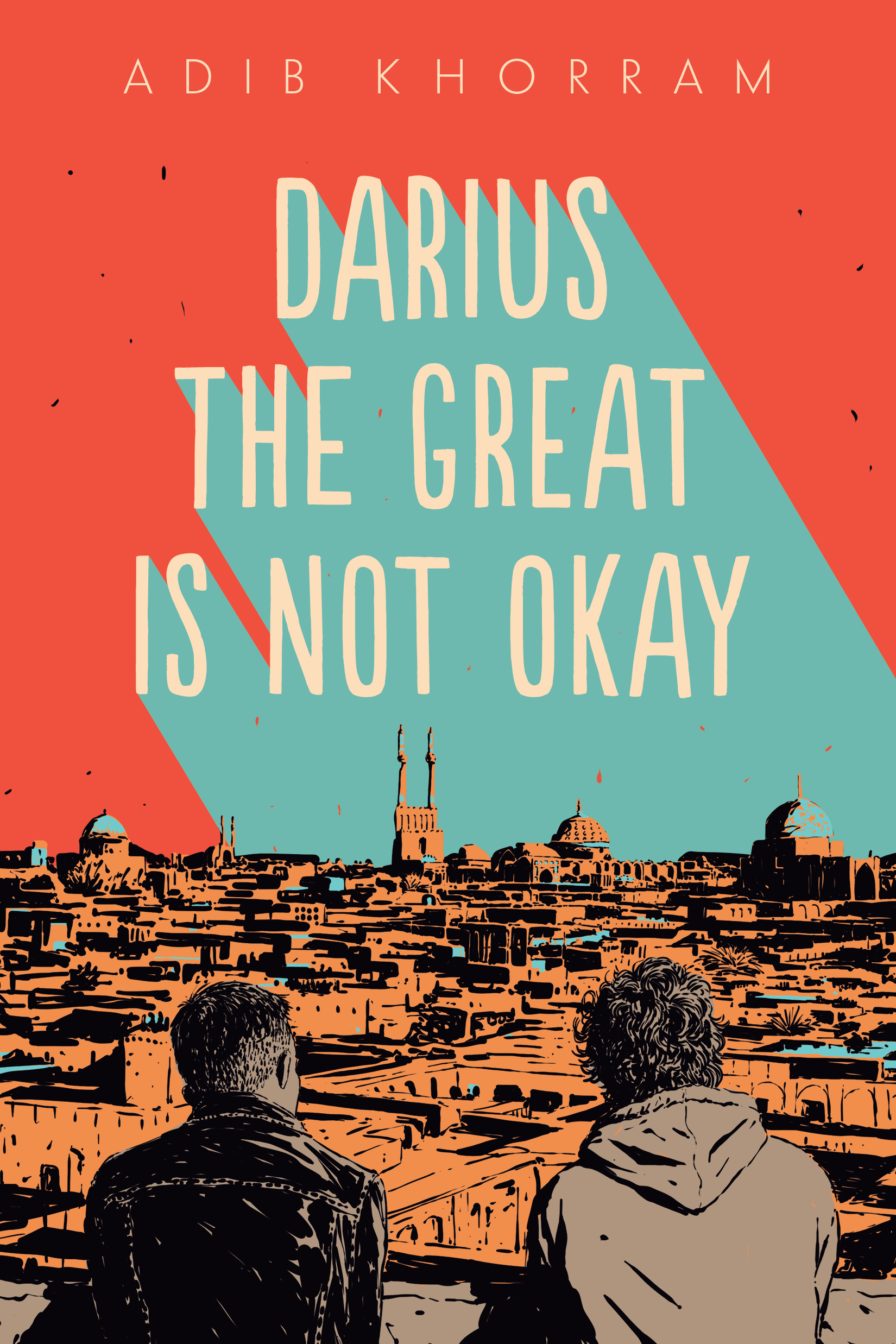
In a literary landscape filled with high-stakes adventures, sometimes the most powerful stories are the quiet ones that explore the complexities of the human heart. Adib Khorram's debut novel, Darius the Great Is Not Okay, is one such story—a tender, authentic, and deeply moving journey that has captivated over 35,000 readers and earned a stellar 4.24-star rating.
More Than Just a Trip
At its core, this 316-page novel is about Darius Kellner, a half-Persian teenager living in America who feels like he doesn't quite fit in anywhere. He struggles with clinical depression, feels disconnected from his distant father, and is often the target of bullies. His life changes when his family travels to Iran to visit his grandparents for the first time.
What readers consistently praise is how Khorram avoids turning this into a simple "vacation fixes everything" narrative. Instead, the trip to Iran is the backdrop for a much richer story. It's in Yazd that Darius begins to piece together his identity, connecting with a culture he's only experienced from afar and finding a sense of belonging that has always eluded him.
The Heart of the Story: Friendship and Family
The true magic of the book unfolds in Darius's relationship with Sohrab, the boy next door in Iran. Their friendship is the emotional anchor of the story, celebrated by reviewers for its pure, supportive, and genuine nature. Through Sohrab, Darius learns about soccer, Iranian life, and, most importantly, what it means to have a true friend who sees and accepts you for exactly who you are.
Equally powerful is the nuanced portrayal of Darius's relationship with his father. Khorram handles this dynamic with incredible sensitivity, exploring the silent understanding and shared struggles between a father and son who both live with depression. It’s a depiction that many readers have found profoundly relatable and healing.
Why This Book Stands Out
Darius the Great Is Not Okay shines because of its remarkable authenticity. Khorram writes about mental health with a gentle honesty that is both accessible and profound. Darius's inner monologue feels real—he's witty, obsessed with tea and Star Trek, and painfully self-aware. The book is also lauded for its rich and respectful depiction of Persian culture, offering readers a beautiful window into its customs, food, and warmth.
This is a novel that doesn't offer easy solutions but provides something even better: the comforting realization that it's okay not to be okay. It’s a story about finding small moments of joy, the courage it takes to be vulnerable, and the transformative power of connection.
If you're looking for a book that feels like a heartfelt conversation with a friend—one that will make you laugh, maybe cry, and ultimately feel a little less alone—then Darius's story is waiting for you.
You can find Darius the Great Is Not Okay on Amazon.


