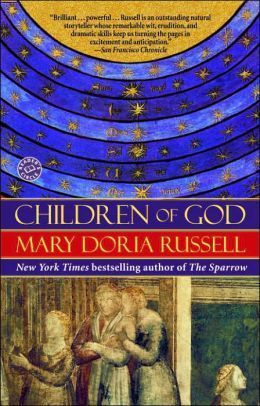
In the vast library of science fiction, few sequels manage to not only meet the high bar set by their predecessor but expand the universe in profound and thought-provoking ways. Mary Doria Russell's "Children of God" is a magnificent exception. With a stellar 4.09 rating from over 22,000 readers, this 451-page journey is a masterful blend of big ideas and deep humanity.
A Universe of Big Questions
Picking up after the events of "The Sparrow," this novel continues the story of Emilio Sandoz, the Jesuit priest forever changed by his first contact with an alien species. But to call this merely a "sequel" feels too small. Russell builds a grand, intergenerational saga that explores the collision of two cultures: the scientific, questioning humans from Earth and the deeply traditional, alien society on the planet Rakhat.
Why Readers Fell in Love With This Book
The most praised element of "Children of God" is its breathtaking intellectual and emotional depth. Russell doesn't just tell a story; she invites readers into a rich conversation about faith, doubt, destiny, and redemption. The narrative is celebrated for its fairness, giving equal weight to scientific inquiry and spiritual belief without favoring one over the other. Readers consistently highlight how the story challenges them to see the world from multiple, equally valid perspectives, fostering a powerful sense of empathy for both human and alien characters.
Furthermore, the character development is universally applauded. Witnessing Sandoz's painful journey toward healing and the introduction of compelling new characters from both species creates a deeply personal connection. The story proves that the biggest ideas in the universe are meaningless without the hearts and souls to give them weight.
Final Verdict: A Must-Read for Curious Minds
"Children of God" is more than a science fiction novel. It is a philosophical exploration, a historical epic on a galactic scale, and a deeply moving human (and non-human) drama. While it deals with complex themes of belief and cultural conflict, Russell's clear and accessible prose makes these ideas available to any thoughtful reader, young or old.
Perfect for fans of thoughtful science fiction and anyone who has ever looked at the stars and wondered about our place in the cosmos, this book is a rewarding, challenging, and ultimately hopeful read. It is a powerful testament to the idea that understanding and compassion are the most universal languages of all.


