Showing posts with label Philosophy. Show all posts

A Supposedly Fun Thing I'll Never Do Again: A Masterclass in Wit and Insight

A Supposedly Fun Thing I'll Never Do Again Book Cover

Why David Foster Wallace’s Essay Collection Still Resonates

David Foster Wallace’s A Supposedly Fun Thing I’ll Never Do Again: Essays and Arguments is a brilliant, often hilarious exploration of modern American culture. With a 4.14-star rating from over 51,000 readers on Goodreads, this collection remains a favorite for its sharp observations, self-deprecating humor, and Wallace’s unmatched ability to dissect the absurdities of everyday life.

The Strengths of the Collection

Wallace’s essays are a mix of personal reflection, cultural critique, and laugh-out-loud commentary. The title essay—a recounting of his experience on a luxury cruise—is a standout, blending existential dread with biting humor. Readers consistently praise his ability to turn mundane experiences into profound, entertaining narratives.

Other highlights include:

Why Readers Love It

Wallace’s writing is both intellectual and accessible, making complex ideas engaging without oversimplifying them. His wit and honesty resonate with readers who appreciate deep dives into topics ranging from pop culture to philosophy. Many reviewers note that even decades after publication, his observations feel startlingly relevant.

Some describe the collection as "laugh-out-loud funny yet deeply thought-provoking", while others admire Wallace’s ability to expose the contradictions in modern life. His self-awareness and willingness to critique himself—even while critiquing others—add a layer of relatability.

Who Should Read This Book?

This book is perfect for:

  • Fans of sharp, observational humor.
  • Readers who enjoy essays that blend personal narrative with cultural critique.
  • Anyone looking for intelligent, entertaining nonfiction.

While some essays delve into dense topics, Wallace’s conversational tone keeps them engaging. It’s a great introduction to his work for those new to his writing.

Final Verdict

A Supposedly Fun Thing I’ll Never Do Again is a must-read for anyone who enjoys witty, insightful essays. Whether you're laughing at his cruise ship misadventures or pondering his critiques of entertainment culture, Wallace’s voice is unforgettable. With its enduring popularity and critical acclaim, this collection proves why he remains one of America’s most celebrated essayists.

Rating: ★★★★☆ (4.14/5)
Pages: 353
Where to Buy: Amazon
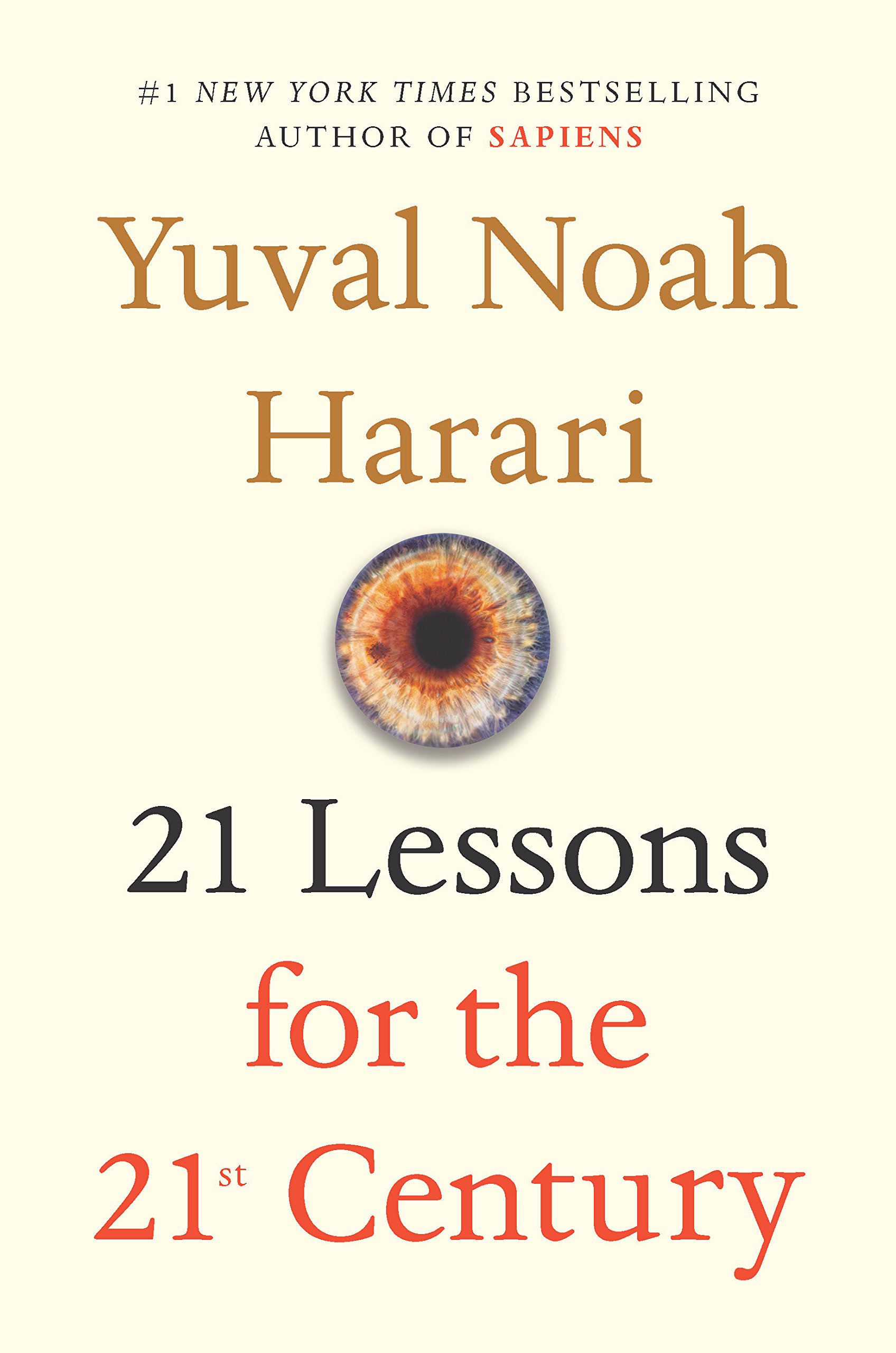
21 Lessons for the 21st Century by Yuval Noah Harari: A Thought-Provoking Guide to Modern Challenges

21 Lessons for the 21st Century Book Cover

Overview

In 21 Lessons for the 21st Century, historian and philosopher Yuval Noah Harari tackles the most pressing issues of our time with clarity and insight. With a 4.16/5 rating from over 170,000 readers on Goodreads, this book has resonated globally for its ability to break down complex topics—like AI, climate change, and political upheaval—into digestible lessons. Unlike his previous works (Sapiens and Homo Deus), which explored the past and future, this book focuses on the present, offering a roadmap to navigate an era of rapid change.

Why Readers Love It

Accessible & Engaging

Harari’s talent for simplifying big ideas shines here. Readers praise how he distills topics like technology’s impact on jobs or the ethics of artificial intelligence without oversimplifying. His conversational tone makes it ideal for both curious teens and adults seeking clarity.

Timely & Relevant

From fake news to globalization, the book addresses urgent questions. Many reviewers noted how it helped them understand current events, calling it a "handbook for modern life." Harari doesn’t just diagnose problems—he encourages critical thinking about solutions.

Balanced Perspective

Unlike dystopian takes on the future, Harari offers a nuanced view. He acknowledges risks (e.g., data privacy) but also highlights opportunities, like global cooperation. Readers appreciate his avoidance of fearmongering.

Key Lessons That Stand Out

  • Disillusionment with Stories: Harari challenges grand narratives (political, religious, or ideological) that once unified societies, urging readers to think independently.
  • Education’s Evolution: He argues that teaching kids "how to learn" is more vital than memorizing facts in an AI-driven world.
  • The Meaning of Life: In a secular age, he explores how humans can find purpose without traditional frameworks.

Critiques

Some readers felt certain chapters (e.g., on meditation) diverged from the core themes, while others wanted more concrete action steps. However, most agreed the book’s value lies in sparking conversation, not providing all answers.

Who Should Read It?

This book is perfect for:

  • Anyone overwhelmed by the pace of modern life.
  • Parents/educators preparing younger generations for an uncertain future.
  • Fans of Harari’s previous works or thinkers like Malcolm Gladwell.

Final Verdict

21 Lessons for the 21st Century is a must-read for those seeking to understand—and thrive in—today’s world. Harari’s blend of history, science, and philosophy makes complex ideas accessible without sacrificing depth. While it doesn’t claim to have all the solutions, it equips readers with the tools to ask better questions.

Rating: ★★★★☆ (4.16/5)
Pages: 372
Get your copy: Amazon

101 Essays That Will Change The Way You Think: A Thought-Provoking Journey

101 Essays That Will Change The Way You Think Book Cover

Overview

Author: Brianna Wiest
Rating: 3.74 (from 63,391 ratings)
Pages: 450
Buy on: Amazon

Brianna Wiest's 101 Essays That Will Change The Way You Think is a compelling collection of short, digestible reflections designed to challenge perspectives and inspire personal growth. With a mix of philosophy, psychology, and self-help, this book has resonated with readers seeking meaningful introspection.

Why This Book Stands Out

1. Bite-Sized Wisdom

Unlike dense self-help tomes, Wiest’s essays are concise—often just 2–3 pages—making complex ideas accessible. Readers praise how easy it is to absorb one essay at a time, whether during a commute or a quiet moment.

2. Diverse Themes

The book covers everything from mindfulness to societal norms, with standout essays on embracing discomfort ("Pain Is Not a Punishment") and redefining success ("The Truth About Finding Your Purpose"). Many reviewers noted returning to favorite pieces for repeated reflection.

3. Gentle Yet Impactful

Wiest avoids preachy tones, instead offering observations that feel like a conversation with a wise friend. Her approach encourages readers to draw their own conclusions rather than prescribing rigid advice.

What Readers Loved

Fans of the book highlight:

  • Highlight-Worthy Insights: Many kept notebooks handy to jot down quotes or "aha" moments.
  • Emotional Resonance: Essays like "You Are Not Meant to Be Happy All the Time" helped readers reframe struggles as growth opportunities.
  • Re-Readability: The book’s structure invites revisiting sections during different life phases.

Considerations

While praised for its thought-provoking content, some readers felt certain essays overlapped in themes or leaned toward repetitive positivity. The book’s strength—brevity—can occasionally leave deeper topics feeling underexplored.

Who Should Read It?

This book is ideal for:

  • Those new to self-reflection seeking an approachable entry point.
  • Fans of The Subtle Art of Not Giving a Fck or Atomic Habits who enjoy actionable insights.
  • Anyone needing a mental reset or fresh perspective during life transitions.

Final Verdict

With a 3.74-star rating from over 63,000 reviews, 101 Essays That Will Change The Way You Think delivers on its promise—if approached as a catalyst for thought rather than a step-by-step guide. Its greatest gift is prompting readers to pause and question their assumptions, making it a worthy addition to any personal growth library.

Ready to explore? Find the book on Amazon here.

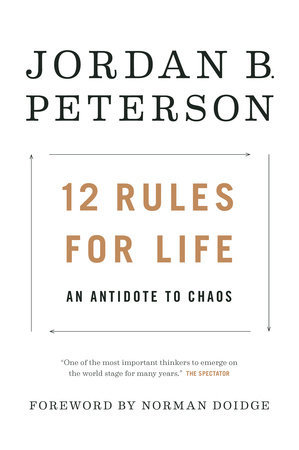
12 Rules for Life: An Antidote to Chaos – A Thought-Provoking Guide to Personal Growth

12 Rules for Life by Jordan B. Peterson Book Cover

Introduction

Jordan B. Peterson's 12 Rules for Life: An Antidote to Chaos has sparked widespread discussion since its release, earning a 3.92/5 rating from over 250,000 readers on Goodreads. Blending psychology, philosophy, and personal anecdotes, Peterson presents a compelling framework for navigating life's complexities. Whether you're seeking self-improvement or deeper existential insights, this book offers valuable perspectives—though not without controversy.

What Makes This Book Stand Out?

Practical Wisdom Wrapped in Storytelling

Peterson’s strength lies in his ability to distill complex ideas into digestible rules, such as "Stand up straight with your shoulders back" and "Tell the truth—or, at least, don’t lie." Readers praise how he supports these principles with engaging narratives—from biblical stories to clinical psychology case studies—making profound concepts accessible even to those new to self-help literature.

A Balance of Tough Love and Compassion

Many reviewers highlight Peterson’s blunt yet empathetic tone. He doesn’t shy away from hard truths about responsibility and suffering but couples them with actionable advice. One recurring theme in feedback is how his direct approach resonates with readers tired of overly simplistic positivity.

Key Strengths (According to Readers)

  • Rule 4 ("Compare yourself to who you were yesterday, not to who someone else is today") – Often cited as life-changing for those struggling with self-worth.
  • Integration of Multiple Disciplines – Peterson weaves mythology, neuroscience, and personal experience into a cohesive guide.
  • Encouragement of Personal Accountability – Fans appreciate the focus on individual agency over victimhood.

Considerations Before Reading

While many find the book transformative, some Goodreads reviewers note:

  • The writing can be dense in sections, requiring slower reading.
  • Peterson’s political views occasionally surface, which may polarize readers.
  • The biblical references (though not exclusively religious) might not appeal to all.

Who Is This Book For?

Ideal for readers who enjoy:

  • Self-help with academic depth
  • Philosophical discussions grounded in practicality
  • Challenging but structured advice for overcoming adversity

Final Verdict

With 409 pages of compelling content, 12 Rules for Life lives up to its reputation as a modern manual for meaningful living. It’s particularly valuable for young adults navigating career or relationship chaos, though its lessons are universal. While not every rule will resonate equally, the book’s overarching message—embracing order to counter life’s inherent chaos—strikes a chord with countless readers.

Rating: ★★★★☆ (4/5) – Highly recommended with the caveat to engage critically with the material.

Ready to explore Peterson’s antidote to chaos? Get your copy on Amazon here.

Illuminating the Abyss: A Review of "Darkness Visible"

Book Review: Darkness Visible by William Styron - A Beacon in the Depths By William Styron |...