Showing posts with label History. Show all posts

A Beautiful Mind by Sylvia Nasar: A Profound Journey into Genius and Resilience

Introduction

A Beautiful Mind by Sylvia Nasar is a gripping biography that explores the extraordinary life of Nobel Prize-winning mathematician John Nash. With a 4.13 rating from over 133,988 readers on Goodreads, this book has captivated audiences with its powerful portrayal of brilliance, struggle, and redemption. Nasar masterfully balances Nash's groundbreaking contributions to game theory with his deeply personal battle against schizophrenia, making this biography both intellectually stimulating and emotionally resonant.

A Beautiful Mind Book Cover

The Brilliance of John Nash

A Genius Ahead of His Time

Nasar paints a vivid picture of Nash's early years, showcasing his unparalleled mathematical talent. Readers are taken on a journey through his revolutionary work in economics, cryptography, and geometry, which eventually earned him the Nobel Prize. The book excels in explaining complex theories—such as the Nash Equilibrium—in a way that is accessible without oversimplifying the science.

The Human Behind the Mind

Beyond his academic achievements, Nash is portrayed as a deeply human figure—quirky, competitive, and at times socially awkward. Goodreads reviewers frequently praise Nasar’s ability to humanize Nash, making his struggles and triumphs relatable. His relationships with colleagues, mentors, and family add depth to the narrative, revealing the man behind the genius.

The Struggle with Schizophrenia

A Harrowing Descent

One of the most compelling aspects of A Beautiful Mind is its honest depiction of Nash's battle with schizophrenia. Nasar avoids sensationalism, instead presenting his delusions, paranoia, and hospitalizations with sensitivity. Readers gain insight into the challenges faced by Nash and his loved ones, offering a poignant look at mental illness in the mid-20th century.

Triumph Over Adversity

What makes this story truly inspiring is Nash’s eventual recovery and return to academic life. Many reviewers highlight this as the book’s most uplifting takeaway—proof that resilience and support can lead to redemption. Nasar’s portrayal of Nash’s later years, including his Nobel Prize win, serves as a testament to the enduring power of the human spirit.

Why You Should Read This Book

Whether you're interested in mathematics, psychology, or simply an extraordinary life story, A Beautiful Mind delivers on all fronts. Nasar’s meticulous research and engaging prose make this biography a page-turner, while its themes of perseverance and hope resonate universally. At 461 pages, it’s a substantial read, but one that never feels tedious.

For those looking to dive deeper into Nash’s world, the book also provides fascinating glimpses into Princeton’s academic culture and the history of modern economics. It’s no wonder this biography has inspired both a major motion picture and countless readers worldwide.

Final Verdict

A Beautiful Mind is more than a biography—it’s a celebration of intellectual brilliance and the unyielding strength of the human mind. Sylvia Nasar’s compassionate storytelling ensures that Nash’s legacy is remembered not just for his equations, but for his courage. A must-read for anyone seeking inspiration.

Rating: ★★★★☆ (4.13/5)
Pages: 461
Where to Buy: Get your copy on Amazon
21 Lessons for the 21st Century by Yuval Noah Harari: A Thought-Provoking Guide to Modern Challenges

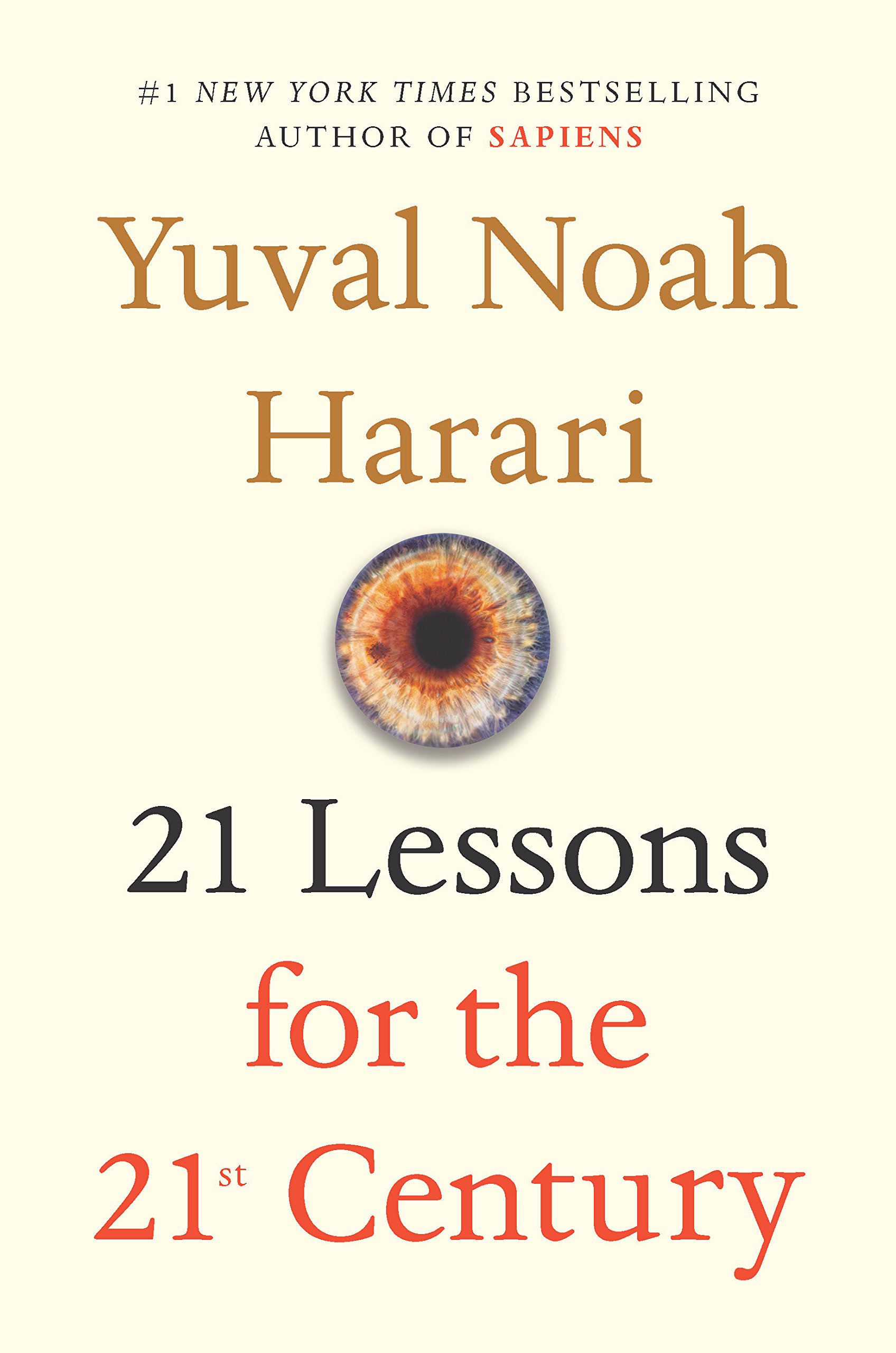
21 Lessons for the 21st Century Book Cover

Overview

In 21 Lessons for the 21st Century, historian and philosopher Yuval Noah Harari tackles the most pressing issues of our time with clarity and insight. With a 4.16/5 rating from over 170,000 readers on Goodreads, this book has resonated globally for its ability to break down complex topics—like AI, climate change, and political upheaval—into digestible lessons. Unlike his previous works (Sapiens and Homo Deus), which explored the past and future, this book focuses on the present, offering a roadmap to navigate an era of rapid change.

Why Readers Love It

Accessible & Engaging

Harari’s talent for simplifying big ideas shines here. Readers praise how he distills topics like technology’s impact on jobs or the ethics of artificial intelligence without oversimplifying. His conversational tone makes it ideal for both curious teens and adults seeking clarity.

Timely & Relevant

From fake news to globalization, the book addresses urgent questions. Many reviewers noted how it helped them understand current events, calling it a "handbook for modern life." Harari doesn’t just diagnose problems—he encourages critical thinking about solutions.

Balanced Perspective

Unlike dystopian takes on the future, Harari offers a nuanced view. He acknowledges risks (e.g., data privacy) but also highlights opportunities, like global cooperation. Readers appreciate his avoidance of fearmongering.

Key Lessons That Stand Out

  • Disillusionment with Stories: Harari challenges grand narratives (political, religious, or ideological) that once unified societies, urging readers to think independently.
  • Education’s Evolution: He argues that teaching kids "how to learn" is more vital than memorizing facts in an AI-driven world.
  • The Meaning of Life: In a secular age, he explores how humans can find purpose without traditional frameworks.

Critiques

Some readers felt certain chapters (e.g., on meditation) diverged from the core themes, while others wanted more concrete action steps. However, most agreed the book’s value lies in sparking conversation, not providing all answers.

Who Should Read It?

This book is perfect for:

  • Anyone overwhelmed by the pace of modern life.
  • Parents/educators preparing younger generations for an uncertain future.
  • Fans of Harari’s previous works or thinkers like Malcolm Gladwell.

Final Verdict

21 Lessons for the 21st Century is a must-read for those seeking to understand—and thrive in—today’s world. Harari’s blend of history, science, and philosophy makes complex ideas accessible without sacrificing depth. While it doesn’t claim to have all the solutions, it equips readers with the tools to ask better questions.

Rating: ★★★★☆ (4.16/5)
Pages: 372
Get your copy: Amazon

102 Minutes: The Untold Story of the Fight to Survive Inside the Twin Towers – A Gripping Chronicle of Courage

An Unforgettable Account of Resilience and Humanity

Author: Jim Dwyer | Rating: 4.29 (11,842 ratings) | Pages: 384 | Buy on Amazon

102 Minutes: The Untold Story of the Fight to Survive Inside the Twin Towers Book Cover

A Harrowing Yet Hopeful Narrative

In 102 Minutes: The Untold Story of the Fight to Survive Inside the Twin Towers, Pulitzer Prize-winning journalist Jim Dwyer delivers a meticulously researched and deeply moving account of the September 11 attacks, focusing on the final 102 minutes inside the World Trade Center. Unlike other books on the subject, Dwyer’s work zeroes in on the personal stories of those trapped inside—ordinary people facing extraordinary circumstances—while avoiding graphic depictions of violence.

Readers consistently praise the book for its respectful yet gripping storytelling. Dwyer reconstructs the events through phone records, interviews, and firsthand testimonies, creating a narrative that is both heart-wrenching and inspiring. The book doesn’t just recount tragedy; it highlights the resilience, bravery, and humanity that emerged in the face of unimaginable chaos.

Why This Book Stands Out

What makes 102 Minutes exceptional is its focus on the individuals rather than the political or historical aftermath. Dwyer masterfully weaves together fragmented moments—strangers helping each other down smoke-filled stairwells, office workers forming human chains, and dispatchers guiding callers to safety—painting a vivid picture of courage under fire.

Reviewers frequently mention how the book balances journalistic precision with emotional depth. It avoids sensationalism, instead offering a sobering yet accessible account suitable for older children and adults alike. The pacing is relentless, mirroring the urgency of the events, yet Dwyer ensures every story is told with dignity.

Key Takeaways from Readers

Many readers describe 102 Minutes as a necessary read—one that educates without exploiting pain. The book sheds light on overlooked details, such as the structural flaws in the towers’ design and the communication breakdowns that hindered rescue efforts. These insights add layers of understanding to a day most only know through headlines.

Parents and educators appreciate how Dwyer handles the subject with sensitivity, making it a valuable but gentle introduction for younger audiences learning about 9/11. The absence of graphic violence allows the focus to remain on the heroism and solidarity of survivors and first responders.

Final Verdict: A Must-Read Historical Account

With an impressive 4.29-star rating from over 11,000 reviewers, 102 Minutes is widely regarded as one of the most compelling books about 9/11. It’s not just a chronicle of loss but a testament to the strength of the human spirit. Whether you’re seeking historical insight or a profoundly human story, this book delivers on every level.

Get your copy today on Amazon and experience this unforgettable narrative.

1491: New Revelations of the Americas Before Columbus – A Groundbreaking Rewrite of History

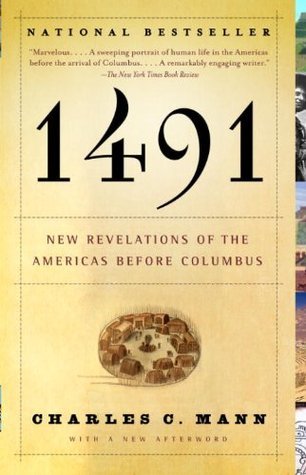
1491: New Revelations of the Americas Before Columbus Book Cover In 1491: New Revelations of the Americas Before Columbus, acclaimed science writer Charles C. Mann shatters long-held myths about pre-Columbian America, presenting a vivid and meticulously researched portrait of thriving, sophisticated civilizations that flourished long before European contact. With a 4.05-star rating from over 91,000 readers, this book challenges traditional narratives and offers a fresh perspective on indigenous history.
Why This Book Stands Out

Mann’s award-winning work (563 pages) blends archaeology, anthropology, and ecology to reveal an Americas far more populous, advanced, and interconnected than most textbooks suggest. Instead of untouched wilderness, he describes bustling cities, advanced agricultural systems, and complex societies that shaped their environments in profound ways.

Key Revelations Readers Loved:

  • Debunking the "Empty Wilderness" Myth: Mann shows how indigenous peoples actively managed landscapes, from Amazonian orchards to engineered plains.
  • Sophisticated Civilizations: The book highlights achievements of the Maya, Inca, Aztec, and lesser-known cultures like the Mississippian mound-builders.
  • Demographic Realities: Evidence suggests pre-contact populations were far higher than previously believed, with devastating collapse following European arrival.
  • Scientific Storytelling: Mann makes complex research accessible without oversimplifying, praised for his engaging narrative style.

What Makes It Special?

Unlike dry historical texts, 1491 reads like a detective story, with Mann piecing together clues from diverse fields. Readers consistently highlight:

  • Mind-expanding perspectives that change how they view the Western Hemisphere's history
  • Balanced approach—celebrating indigenous achievements while avoiding romanticization
  • Clear explanations of controversial theories and ongoing scholarly debates

Who Should Read This?

Perfect for history buffs, educators, and anyone curious about:

  • Alternative historical narratives
  • Indigenous studies and anthropology
  • Environmental history and human-ecosystem interactions

While some note the dense information requires careful reading, most agree it's worth the effort for its paradigm-shifting insights.

Final Verdict

With its compelling synthesis of cutting-edge research, 1491 fundamentally alters our understanding of the pre-Columbian world. Mann doesn't just report history—he helps readers reimagine it, making this a must-read for anyone seeking a more accurate picture of America's past.

Rating: ★★★★☆ (4.05/5 from 91,833+ ratings)

Get your copy of 1491 on Amazon to discover these revelations for yourself!

Book Review: "Surely You're Joking, Mr. Feynman!" – A Delightful Journey of Curiosity

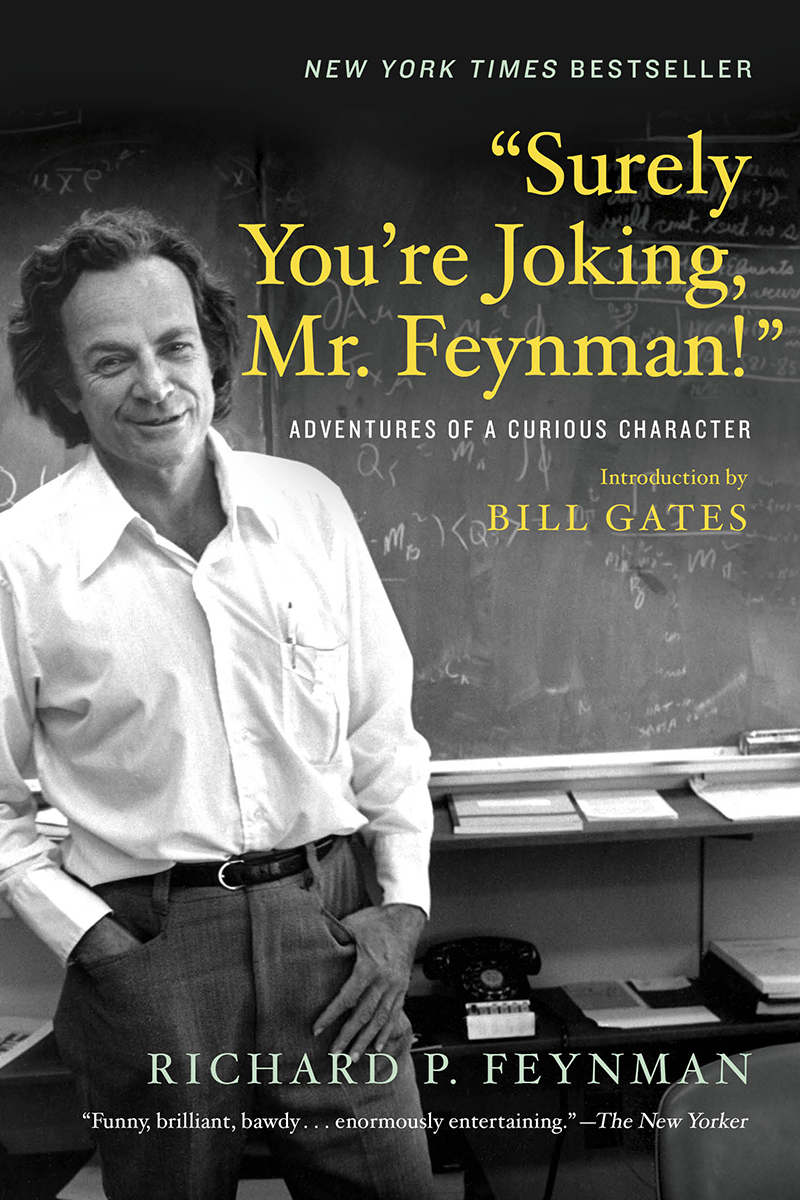
Book Review: "Surely You're Joking, Mr. Feynman!" – A Delightful Journey of Curiosity Cover of Surely You're Joking Mr. Feynman

An Unforgettable Memoir of Science and Wit

Richard P. Feynman's "Surely You're Joking, Mr. Feynman!": Adventures of a Curious Character isn't your typical scientific memoir. With a stellar 4.27 rating from over 210,000 readers on Goodreads, this 400-page collection of autobiographical anecdotes reveals the Nobel Prize-winning physicist as a mischievous genius, a relentless tinkerer, and an endlessly curious storyteller.

Why Readers Love Feynman’s Adventures

What makes this book so universally loved? It’s Feynman’s infectious enthusiasm for life. Whether he’s cracking safes at Los Alamos, playing bongo drums in Rio, or learning to draw just for fun, Feynman turns every experience into a thrilling experiment. Readers consistently praise:

  • Humor & Playfulness: Feynman’s wit turns complex topics into laugh-out-loud stories.
  • Accessible Science: His analogies make quantum physics feel like a backyard adventure.
  • Relatable Curiosity: From ants to art, his childlike wonder inspires readers to ask "why?"

Not Just for Scientists

Don’t let Feynman’s physics credentials intimidate you. This book is less about equations and more about the joy of discovery. A recurring highlight among reviewers is how he demystifies genius—showing that brilliance stems from playful exploration, not just raw intellect. His famous "O-ring experiment" during the Challenger investigation is recounted with gripping simplicity, proving science can be both profound and entertaining.

Minor Critiques

A handful of readers note the memoir’s episodic nature lacks a traditional narrative arc. Others mention Feynman’s self-deprecating humor occasionally borders on boastful. Yet, these are minor quibbles in a work celebrated for its authenticity and charm.

Final Verdict: A Must-Read for the Inquisitive Mind

"Surely You're Joking, Mr. Feynman!" is a timeless celebration of curiosity. It’s perfect for science enthusiasts, lifelong learners, or anyone who enjoys stories where intelligence and humor collide. As one Goodreads reviewer aptly summarized: "It makes you want to grab a notebook, ask more questions, and maybe—just maybe—pick up the bongos."

Rating: ★★★★☆ (4.27/5)
Pages: 400
Get it on: Amazon

Uncovering History’s Hidden Hero: A Review of "Look Here, Sir, What a Curious Bird"

Book Review: "Look Here, Sir, What a Curious Bird" by Paul Spencer Sochaczewski Book Cover: Look Here, Sir, What a Curious Bird

Rediscovering Alfred Russel Wallace’s Forgotten Companion

In "Look Here, Sir, What a Curious Bird": Searching for Ali, Alfred Russel Wallace's Faithful Companion, author Paul Spencer Sochaczewski shines a long-overdue spotlight on one of history’s most overlooked figures in natural history exploration. With a 4.31-star rating from nearly 800 readers on Goodreads, this 274-page journey masterfully blends historical detective work with heartfelt storytelling.

Why This Story Matters

While Charles Darwin often dominates evolutionary biology discussions, Alfred Russel Wallace independently developed similar theories during his Southeast Asian expeditions. Sochaczewski’s genius lies in shifting focus to Wallace’s indispensable yet forgotten assistant, Ali – the indigenous collector and guide whose contributions were crucial to Wallace’s success.

The book’s greatest strength is how it balances:

  • Meticulous historical research that satisfies academics
  • Accessible storytelling that engages casual readers
  • Thought-provoking questions about credit in scientific discovery

A Dual Narrative That Captivates

Sochaczewski crafts two parallel journeys: Wallace’s 19th-century expeditions with Ali, and the author’s modern-day quest to uncover Ali’s identity and legacy. This structure creates a detective-like momentum that readers consistently praise. The author’s personal travels through remote Indonesian islands add contemporary relevance while highlighting how much (or how little) has changed since Wallace’s time.

What Makes This Book Special

Readers particularly appreciate:

  • The compassionate portrayal of Ali as more than just a "sidekick"
  • Engaging descriptions of Southeast Asian wildlife and cultures
  • Thoughtful examination of colonial-era power dynamics
  • The author’s humorous and self-aware writing style

At its core, the book serves as both a historical correction and a touching tribute. Sochaczewski gives Ali the recognition he deserves while inviting readers to consider how many other "invisible assistants" have been erased from scientific history.

Who Will Love This Book?

This work will particularly resonate with:

  • History and science enthusiasts seeking untold perspectives
  • Travel writing fans who enjoy immersive cultural journeys
  • Readers who appreciate stories of overlooked historical figures
  • Educators looking for engaging material about scientific discovery

The only common critique among reviewers is that some wished for even more detail about Ali’s personal life – a testament to how compelling Sochaczewski makes this once-forgotten figure.

Final Verdict: A Must-Read Hidden History

Rating: ★★★★☆ (4.31/5)

"Look Here, Sir, What a Curious Bird" succeeds as both an important historical correction and a thoroughly enjoyable read. Sochaczewski’s blend of rigorous research, adventurous spirit, and compassionate storytelling creates a book that’s as educational as it is entertaining. It will change how you think about scientific discovery and the unsung heroes who make breakthroughs possible.

Ready to meet the man behind the legend? Find the book on Amazon and join this unforgettable journey through history, science, and human connection.

Book Review: "1776" by David McCullough – A Masterful Portrait of America's Pivotal Year

1776 by David McCullough Book Cover

An Unforgettable Journey Through America's Defining Moment

David McCullough's 1776 is a gripping historical narrative that brings to life the tumultuous events of America's Revolutionary War. With a 4.1-star rating from over 240,000 readers on Goodreads, this 386-page masterpiece distills the drama, courage, and uncertainty of a nation fighting for its independence. McCullough, a Pulitzer Prize-winning historian, crafts an accessible yet deeply researched account that appeals to both history buffs and casual readers.

Why "1776" Stands Out Among Historical Works

Unlike dry textbooks that reduce history to dates and facts, 1776 immerses readers in the human side of the Revolution. McCullough focuses on key figures like George Washington, revealing his leadership struggles, tactical mistakes, and unwavering determination. The book also highlights lesser-known heroes—soldiers, officers, and everyday citizens—whose sacrifices shaped the war's outcome.

Readers consistently praise McCullough's vivid storytelling, which transforms historical events into a suspenseful, almost novel-like experience. The battles of Trenton and Princeton, for instance, are depicted with such tension that you’ll forget you already know the ending. The author avoids excessive military jargon, making complex strategies easy to follow without oversimplifying.

Balancing Depth with Accessibility

One of the book's greatest strengths is its balance between scholarly rigor and readability. McCullough draws from letters, diaries, and firsthand accounts to paint an intimate picture of 1776, yet his prose remains engaging for all ages. Parents and educators note that it’s an excellent resource for young history enthusiasts, offering enough drama to hold their attention while teaching critical lessons about perseverance and patriotism.

The narrative doesn’t shy away from the Revolution’s bleak moments—Washington’s defeats, the army’s dwindling morale, and the harsh winter at Valley Forge—but it ultimately leaves readers inspired by the resilience that birthed a nation.

Criticisms and Considerations

Some reviewers wished for more coverage of the political context behind the war (like the Continental Congress or British Parliament), as the book prioritizes military campaigns. However, this tight focus is also what makes 1776 so compelling—it’s a laser-sharp snapshot of a single, transformative year rather than an exhaustive chronicle.

Final Verdict: A Must-Read for Patriots and History Lovers

With its cinematic pacing and humanized heroes, 1776 earns its reputation as one of McCullough’s finest works. It’s a testament to the power of determination against overwhelming odds—a theme that resonates just as strongly today. Whether you're a student, a teacher, or simply a curious reader, this book will leave you with a deeper appreciation for the courage that forged the United States.

Rating: ★★★★☆ (4.1/5)
Pages: 386
Where to Buy: Amazon

Illuminating the Abyss: A Review of "Darkness Visible"

Book Review: Darkness Visible by William Styron - A Beacon in the Depths By William Styron |...