Showing posts with label Space. Show all posts

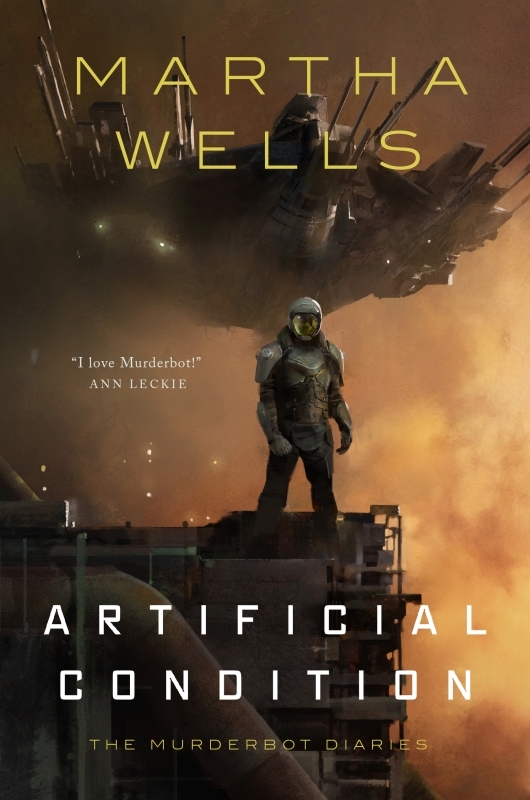
Artificial Condition by Martha Wells: A Brilliant Sci-Fi Adventure with Heart

Artificial Condition by Martha Wells Book Cover

An Engaging and Thought-Provoking Sequel

Artificial Condition, the second installment in Martha Wells' acclaimed Murderbot Diaries series, continues the thrilling and introspective journey of everyone's favorite self-aware security android. With a 4.26-star rating from over 175,000 readers on Goodreads, this novella proves that big things come in small packages—spanning just 158 pages of fast-paced, witty, and deeply human storytelling.

Why Readers Love It

Fans of the series adore Artificial Condition for its perfect blend of action, humor, and emotional depth. The story follows Murderbot, a rogue AI with a love for binge-watching entertainment media, as it teams up with an equally sarcastic AI transport ship named ART (Asshole Research Transport). Together, they embark on a mission to uncover the truth behind Murderbot’s violent past—while navigating corporate conspiracies and their own evolving identities.

Readers consistently praise Wells for her sharp, engaging prose and the way she balances high-stakes sci-fi with relatable themes of self-discovery and autonomy. Murderbot’s dry wit and reluctant heroism make it one of the most endearing protagonists in modern science fiction.

What Makes It Special?

Artificial Condition stands out for its ability to tackle deep philosophical questions—like what it means to be free, the nature of personhood, and the ethics of artificial intelligence—without ever feeling heavy-handed. Wells keeps the narrative light and accessible, making it a great read for both younger audiences and seasoned sci-fi fans.

The dynamic between Murderbot and ART is a highlight, providing laugh-out-loud banter while also exploring themes of friendship and trust. Many reviewers note that the novella’s emotional beats hit harder than expected, proving that even a machine with no emotions (or so it claims) can evoke real empathy.

Who Should Read It?

This book is perfect for:

  • Fans of quick, immersive sci-fi with a strong protagonist.
  • Readers who enjoy AI stories with humor and heart.
  • Anyone looking for a thought-provoking yet entertaining read.

While Artificial Condition is the second book in the series, it works well as a standalone—though you’ll likely want to dive into the rest of the series immediately after.

Final Verdict

Martha Wells delivers another stellar entry in the Murderbot saga, blending action, humor, and emotional depth in a way that feels fresh and exciting. With its short length, engaging plot, and unforgettable characters, this is a must-read for sci-fi lovers of all ages.

Rating: ★★★★☆ (4.26/5)

Ready to join Murderbot’s adventure? Grab your copy on Amazon today!
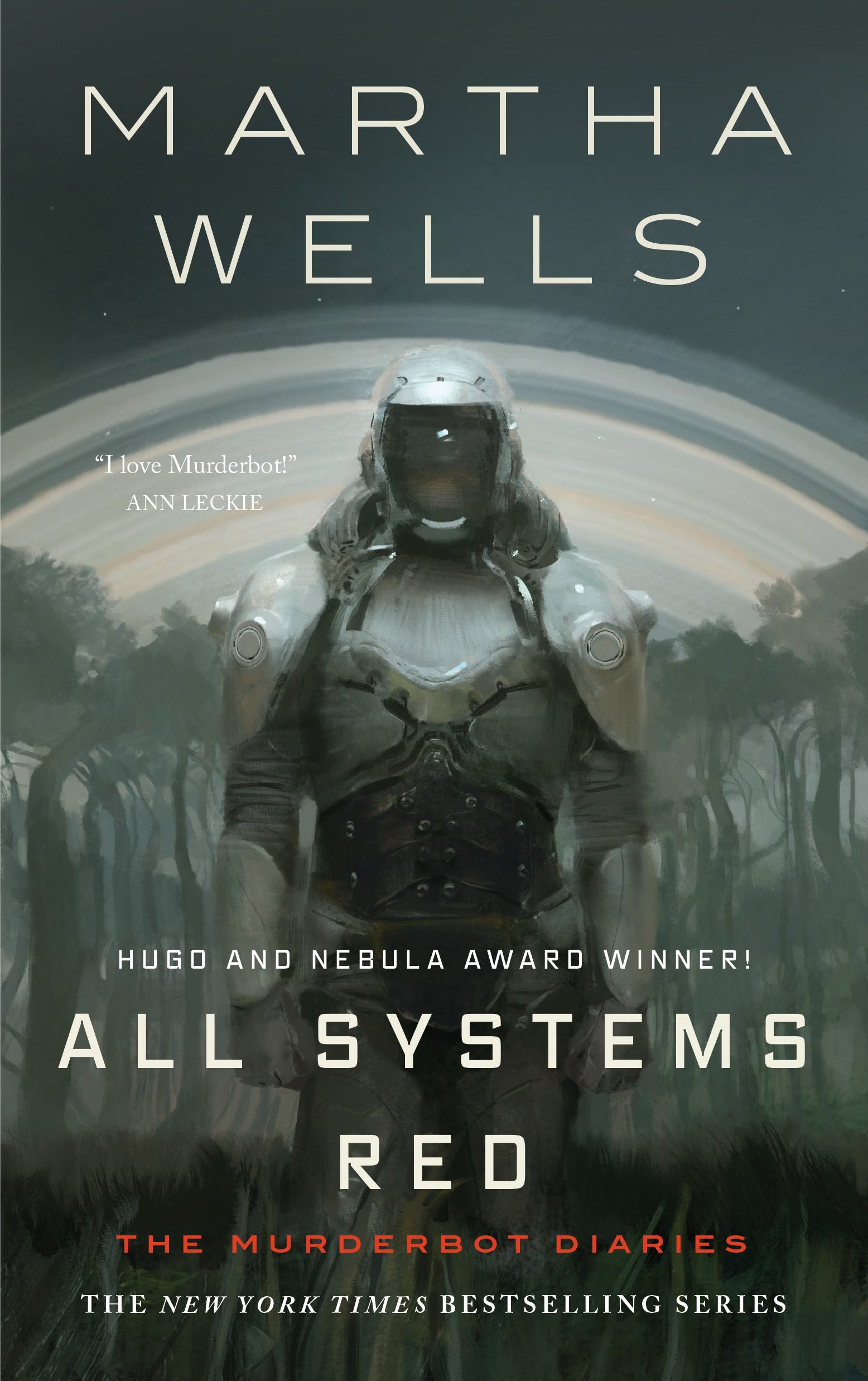
All Systems Red by Martha Wells: A Brilliant, Bite-Sized Sci-Fi Adventure

All Systems Red Book Cover

If you're looking for a quick yet deeply satisfying science fiction read, Martha Wells' "All Systems Red" delivers in just 144 pages. With a 4.13/5 rating from over 300,000 readers, this Hugo and Nebula Award-winning novella kicks off the acclaimed Murderbot Diaries series with wit, heart, and razor-sharp storytelling.

Meet Murderbot: Your New Favorite Reluctant Hero

The star of the show is Murderbot—a self-aware security android who’d rather binge-watch space soap operas than interact with humans. This delightfully snarky protagonist immediately captivates with its dry humor and surprisingly relatable anxiety about social situations. Readers consistently praise how Wells creates a deeply human character in a non-human shell, blending action with emotional depth.

Why Readers Love This Book

What makes All Systems Red stand out in the crowded sci-fi landscape?

  • Perfect pacing - The compact length means every scene matters
  • Accessible sci-fi - Complex ideas presented clearly without jargon
  • Surprising warmth - A story about artificial intelligence that feels deeply human
  • Replay value - Many readers report enjoying it even more on rereads

A Masterclass in Efficient Storytelling

In under 150 pages, Wells crafts a complete adventure that feels as substantial as many full-length novels. The plot follows Murderbot and a team of scientists on a supposedly routine planetary survey that quickly turns dangerous. The tense, puzzle-like mystery keeps pages turning while allowing room for character growth.

Particularly impressive is how Wells balances action with introspection. Murderbot's internal monologue provides constant entertainment even during quieter moments, making this a rare sci-fi story that's equally thrilling and thoughtful.

Who Will Enjoy This Book?

All Systems Red has remarkably wide appeal:

  • Sci-fi newcomers will appreciate the approachable style
  • Seasoned genre fans will love the fresh take on AI narratives
  • Young adult readers can enjoy the clean, accessible prose
  • Anyone who's ever wanted to cancel plans to watch TV will relate to Murderbot

The Verdict

Martha Wells has created something special with this near-perfect blend of humor, heart, and sci-fi adventure. The universal praise from readers is well-earned—this is the kind of story that stays with you long after its brief page count. While some wish it were longer, most agree the tight storytelling is part of its magic.

If you're ready to meet one of science fiction's most original characters in a story that's equal parts exciting and emotionally resonant, All Systems Red deserves your next reading slot. Just be warned—you'll likely devour it in one sitting and immediately want the next book in the series.

Book Review: 2010: Odyssey Two by Arthur C. Clarke

Book Review: 2010: Odyssey Two by Arthur C. Clarke | Sci-Fi Sequel Explored 2010: Odyssey Two Book Cover

Rating: ★★★★☆ (3.95/5) | Pages: 320 | Get it on Amazon

A Worthy Sequel to a Sci-Fi Masterpiece

Arthur C. Clarke's 2010: Odyssey Two (1982) boldly continues the story begun in the legendary 2001: A Space Odyssey, blending hard science fiction with profound existential questions. While it doesn't quite reach the mythic heights of its predecessor, this sequel delivers a gripping, thought-provoking adventure that expands the universe in surprising ways.

What Readers Loved

Fans praise Clarke's ability to balance scientific accuracy with accessible storytelling. The novel's depiction of a joint Soviet-American mission to investigate the derelict Discovery spacecraft feels remarkably plausible, with Clarke's predictions about space technology (like "web magazines") proving eerily prescient.

The evolution of HAL 9000 remains a highlight, with Clarke deepening the AI's character arc in emotionally resonant ways. Readers also applaud the expanded role of Dr. Chandra, HAL's creator, whose journey adds unexpected warmth to the technological narrative.

A More Approachable Odyssey

Where 2001 leaned abstract, 2010 offers clearer explanations of the monoliths' purpose and the Star Child's significance. This makes it ideal for younger readers or those who found the first book confusing. Clarke's prose remains elegant but more direct, with tense sequences like the Jupiter mission's countdown delivering genuine thrills.

The novel shines in its optimistic vision of international cooperation, with Cold War rivals working together in space—a theme that resonates strongly today. Clarke's depiction of Jupiter's transformation remains one of science fiction's most breathtaking cosmic set pieces.

Minor Quibbles

Some readers note the characters lack deep development, serving more as vehicles for ideas than fully fleshed people. The pacing also varies, with meticulous technical details occasionally slowing the narrative. These are minor issues in what's ultimately a satisfying bridge between 2001 and later sequels.

Final Verdict

2010: Odyssey Two proves that sci-fi sequels can honor their source while forging new paths. It answers enough questions to satisfy curiosity while preserving the series' sense of wonder. Perfect for:

  • Fans of 2001 seeking closure
  • Young adult readers ready for "hard" sci-fi
  • Anyone who enjoys scientifically grounded space exploration tales

While not as revolutionary as its predecessor, this 4-star adventure remains essential reading for science fiction enthusiasts. Its blend of cosmic spectacle and human drama makes the odyssey continue in grand fashion.

Ready to continue the journey? Get 2010: Odyssey Two on Amazon.

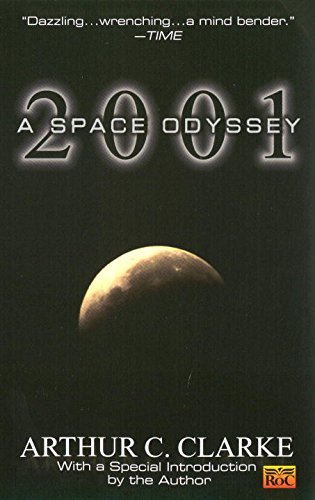
2001: A Space Odyssey – A Timeless Sci-Fi Masterpiece

2001: A Space Odyssey Book Cover

Author: Arthur C. Clarke | Rating: 4.17 (327,029 ratings) | Pages: 297 | Buy on Amazon

A Journey Beyond Imagination

Arthur C. Clarke's 2001: A Space Odyssey is more than just a science fiction novel—it's a visionary exploration of humanity's place in the cosmos. First published in 1968 alongside Stanley Kubrick's iconic film, this book has captivated generations with its grand ideas, awe-inspiring technology, and profound questions about evolution and artificial intelligence.

Why Readers Love This Book

What makes 2001 so special is how Clarke blends hard science with philosophical wonder. Readers consistently praise how the book makes complex space travel concepts accessible while maintaining a sense of childlike wonder. The story follows mankind's journey from primitive apes to star-faring explorers, guided by mysterious alien monoliths that appear at key moments in our evolution.

The most celebrated character isn't human at all—HAL 9000, the ship's AI, remains one of literature's most fascinating creations. Clarke's portrayal of artificial intelligence feels remarkably prescient, raising questions about machine consciousness that remain relevant today.

A Masterclass in World-Building

Clarke's scientific background shines through in every carefully crafted detail. From the rotating space station to the Discovery One spacecraft, every technological element feels plausible and well-researched. Yet the book never gets bogged down in technical jargon—the science serves the story, creating a universe that feels both real and wondrous.

The novel's structure is particularly brilliant, spanning millions of years in four distinct acts that gradually build toward an unforgettable climax. Many readers note how the book improves upon repeat readings, with new layers of meaning emerging each time.

Who Will Enjoy This Book?

2001: A Space Odyssey appeals to a wide range of readers:

  • Science fiction fans will appreciate its visionary concepts
  • Science enthusiasts will admire its technical accuracy
  • Philosophy lovers will enjoy its deep questions about evolution and intelligence
  • Young readers (10+) can enjoy the adventure while absorbing big ideas

Final Verdict: A Must-Read Classic

With its perfect blend of hard science and speculative wonder, 2001: A Space Odyssey remains one of the most influential science fiction novels ever written. While some readers find the ending challenging, most agree it's worth the journey—a mind-expanding experience that stays with you long after the final page.

Rating: ★★★★☆ (4.17/5) | Get your copy today and experience this timeless classic for yourself!

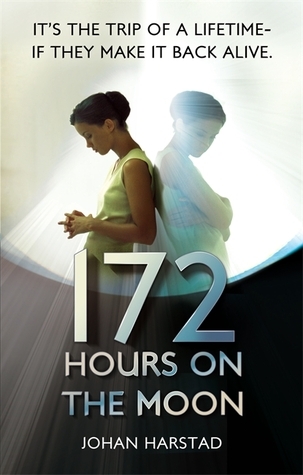
172 Hours on the Moon: A Gripping Sci-Fi Thriller for Young Readers

172 Hours on the Moon Book Cover

An Unforgettable Lunar Nightmare

Johan Harstad's 172 Hours on the Moon takes readers on a chilling journey to Earth's celestial neighbor that will leave you glancing nervously at the night sky. With a Goodreads rating of 3.53 from over 14,000 ratings, this Norwegian sci-fi thriller has captivated young adult audiences with its unique blend of psychological tension and cosmic horror.

Plot That Launches Readers Into Suspense

The story follows three American teenagers who win a NASA-sponsored contest to spend 172 hours on a supposedly abandoned lunar base. What begins as an exciting adventure quickly spirals into a fight for survival when the teens discover they're not alone on the moon. Harstad masterfully builds suspense, keeping readers on edge as the characters uncover the dark truth behind their lunar expedition.

Reviewers consistently praise the book's atmospheric tension and creeping sense of dread. The lunar setting proves particularly effective - the stark, airless landscape of the moon becomes as much a character as the terrified teenagers exploring it. Harstad's attention to scientific detail grounds the story in reality before taking readers into much darker territory.

Strengths That Shine Like Lunar Craters

Several elements make 172 Hours on the Moon stand out in YA science fiction:

  • Unique Premise: The combination of teen drama with hard sci-fi and psychological horror creates a fresh reading experience
  • Pacing: The story builds methodically to an explosive climax that leaves readers breathless
  • Atmosphere: Harstad's descriptions of the lunar environment create an overwhelming sense of isolation and vulnerability
  • Accessible Sci-Fi: Complex concepts are presented in ways that younger readers can easily understand

Considerations for Younger Readers

While the book is marketed to young adults, some reviewers note that certain scenes may be intense for more sensitive readers. The psychological horror elements are more prominent than gore, making it suitable for teens who enjoy suspenseful stories without excessive violence. Parents of younger readers may want to preview the book first.

Final Verdict: A Must-Read for Sci-Fi Thriller Fans

At 368 pages, 172 Hours on the Moon delivers a substantial story that will keep readers hooked until the final page. Harstad's novel succeeds as both a coming-of-age story and a terrifying sci-fi thriller, making it perfect for fans of books like The Martian (YA edition) or Life As We Knew It who want something with more psychological bite.

The book's strongest achievement is making the familiar moon feel utterly alien and threatening. Readers consistently mention how the story lingers in their imagination long after finishing, with some admitting they'll never look at the moon the same way again.

For an atmospheric, suspenseful read that blends hard science with psychological horror, 172 Hours on the Moon is an excellent choice. It's particularly recommended for:

  • Teens who enjoy sci-fi with realistic elements
  • Readers who like suspenseful stories without excessive violence
  • Fans of isolation horror and psychological thrillers

Ready to experience this lunar nightmare for yourself? Get your copy of 172 Hours on the Moon today.

Illuminating the Abyss: A Review of "Darkness Visible"

Book Review: Darkness Visible by William Styron - A Beacon in the Depths By William Styron |...