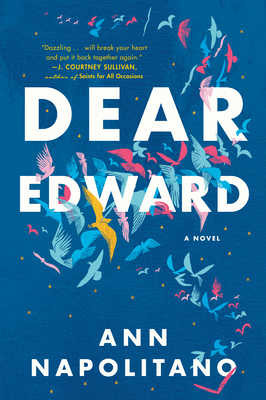
What does it mean to be the one who survives? Ann Napolitano’s acclaimed novel, Dear Edward, tackles this profound question with breathtaking sensitivity. With a remarkable 4.08-star rating from over 200,000 readers, this 340-page journey has firmly cemented its place as a modern classic about resilience and the human spirit.
A Story Split Between Sky and Earth
The novel’s heart lies in a devastating event: a plane crash that claims 191 lives. The sole survivor is twelve-year-old Edward Adler. Napolitano masterfully structures the narrative, alternating between the final, ordinary hours of the passengers on the flight and Edward’s painful, ground-level journey in the aftermath.
This parallel storytelling is one of the book's most praised elements. We get to know the diverse group of people on board—their dreams, secrets, and regrets—making the tragedy deeply personal. Meanwhile, we follow Edward as he moves in with his aunt and uncle, a boy shattered by loss and burdened by the unimaginable weight of being "the miracle boy."
The Quiet Strength of Character
At its core, Dear Edward is a character study. Edward’s grief is portrayed with an authenticity that is both heartbreaking and hopeful. Readers consistently highlight how they felt completely immersed in his world, from the overwhelming silence of his new life to the small, tentative steps he takes toward healing.
A key to this healing comes in the form of his next-door neighbor, Shay, a sharp and persistent girl who becomes his unlikely anchor. Their friendship is not a romantic subplot but a genuine, grounding force. Another powerful element is the discovery of a bag of letters—written to Edward by the families of the victims—which slowly helps him understand his place in the world and gives him a purpose.
Final Thoughts: A Tribute to Resilience
Dear Edward is not a dark or violent book; it is a luminous exploration of life after loss. Napolitano’s writing is clear and accessible, making this complex emotional journey suitable for a wide audience, including mature younger readers. The book avoids easy answers, instead focusing on the slow, difficult, and beautiful process of putting oneself back together.
It’s a story that will make you cry, but it will also fill you with a profound sense of hope. It reminds us that even when faced with the impossible, the human capacity for connection and recovery can light the way forward. For anyone seeking a meaningful, character-driven story about finding your way home after being lost, Dear Edward is an essential read.
Ready to embark on this emotional journey? You can find the book on Amazon.


No comments:
Post a Comment