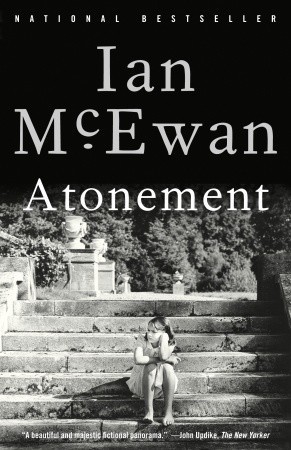
Rating: 3.95/5 (from over 544,194 ratings) | Pages: 351 | Find on Amazon
An Unforgettable Journey into Guilt and Storytelling
Ian McEwan's Atonement is a powerful novel that begins like a quiet summer day and unfolds into a story that spans a lifetime. At its heart, it’s a book about how a young girl's imagination, fueled by a misunderstanding, can change the course of many lives forever. Readers worldwide have been moved by its deep exploration of truth, guilt, and the desperate need to make things right.
The Power of Perspective
The story is masterfully told through the eyes of thirteen-year-old Briony Tallis. On a hot summer day in 1935, she misinterprets a series of events between her older sister, Cecilia, and the housekeeper's son, Robbie. This single act, born not from malice but from a child's incomplete understanding of the adult world, sets a tragic chain of events into motion. McEwan brilliantly shows us how the same scene can look entirely different depending on who is watching.
More Than Just a Story
What makes Atonement so special is its thoughtful look at the very nature of storytelling. The book asks a big question: Can stories themselves be a form of apology? Can writing wrongs on a page ever truly fix wrongs committed in real life? This layers the novel with a profound sadness and a beauty that readers consistently praise, noting that the story stays with them long after the final page is turned.
A Final Word
With its rich, beautiful language and a narrative that is both heartbreaking and thought-provoking, Atonement is a true modern classic. It’s a book that doesn’t provide easy answers but instead honors the complexity of human mistakes and the fragile hope for redemption. It’s a compelling read for anyone who has ever wished they could take something back.


No comments:
Post a Comment