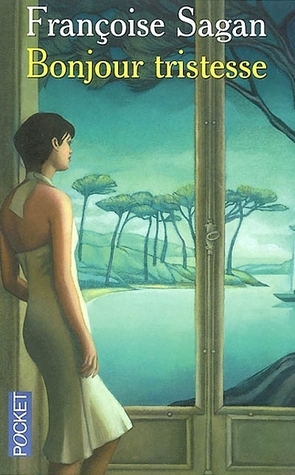
First published in 1954, Françoise Sagan's Bonjour Tristesse is a deceptively simple novel that has lost none of its power to provoke and enchant. Written when the author was just a teenager, this 154-page story remains a stunning exploration of youthful naivety and its unintended consequences.
A Languid French Summer
The story unfolds over one sun-drenched summer on the French Riviera. Our narrator is Cécile, a seventeen-year-old girl enjoying a carefree existence with her charming and frivolous father, Raymond. Their life of leisurely lunches, swimming, and casual flirtations is a bubble of hedonistic pleasure, utterly detached from responsibility. Sagan masterfully evokes this atmosphere of lazy, sun-soaked days, making the setting almost a character in itself.
The Disruption of Perfect Happiness
The bubble bursts with the arrival of Anne, an elegant and sophisticated family friend. Unlike Cécile and Raymond, Anne represents order, intelligence, and maturity. She begins to instill structure and discipline into their chaotic lives, and for a moment, it seems she might be the stabilizing influence they need. However, Cécile perceives Anne's love for her father and her rational worldview as a direct threat to their delightful, if shallow, way of life.
Fearing the end of her freedom, Cécile orchestrates a reckless plan to sabotage the relationship. What follows is not a tale of malicious evil, but one of childish impulsivity. Readers consistently praise how Sagan captures the terrifying, often misguided, certainty of youth. Cécile isn't a villain; she is a flawed and relatable teenager who believes she is protecting her happiness, blind to the potential fallout of her actions.
Why This Classic Still Resonates
With a 3.73-star rating from over 61,000 readers, the novel's enduring appeal is clear. Its strength lies in its profound simplicity. Sagan's prose is crisp and clear, devoid of unnecessary ornamentation, which makes the emotional impact of the story all the more striking. It is a brief but incredibly potent read.
The genius of Bonjour Tristesse is its ability to make us empathize with Cécile even as we watch her make disastrous choices. It is a poignant reminder that the transition into adulthood is often messy, selfish, and paved with regrets we only understand in hindsight. It’s a story about the moment one is forced to say "hello" to a sadness they never knew before, a sadness that marks the end of childhood innocence.
Perfect for a thoughtful afternoon read, this novel is a masterpiece of emotional storytelling. It proves that a story doesn't need to be long or complex to leave a permanent mark on its reader.


No comments:
Post a Comment