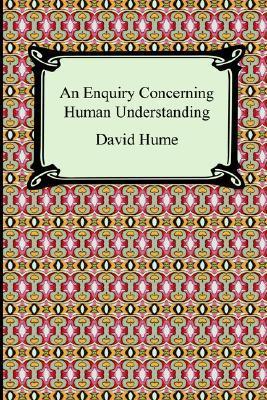
Rating: ★★★★☆ (3.94/5) | Ratings: 21,592 | Pages: 96 | Get the Book on Amazon
Why David Hume’s Classic Still Resonates Today
First published in 1748, An Enquiry Concerning Human Understanding remains one of the most influential works in Western philosophy. David Hume, a central figure of the Enlightenment, challenges readers to question how we acquire knowledge, the limits of reason, and the nature of human belief. Despite its 18th-century origins, the book’s insights feel strikingly relevant in today’s world of information overload and skepticism.
Accessible Yet Profound
Unlike some dense philosophical texts, Hume’s Enquiry is praised for its clarity and concise structure. At just 96 pages, it distills complex ideas—such as causality, skepticism, and empiricism—into digestible arguments. Readers on Goodreads frequently highlight how Hume’s writing balances intellectual depth with approachable language, making it a favorite among both philosophy students and curious beginners.
Hume’s famous critique of miracles, for instance, is presented with logical precision yet avoids unnecessary jargon. His assertion that human understanding relies on experience rather than pure reason invites readers to reflect on their own assumptions—a hallmark of great philosophical writing.
Key Themes That Stand Out
1. Empiricism Over Dogma: Hume argues that knowledge stems from sensory experience, not innate ideas or divine revelation. This emphasis on observation and evidence laid groundwork for modern scientific thinking.
2. The Limits of Cause and Effect: One of the book’s most celebrated sections dissects how humans perceive causation. Hume suggests that what we call "cause and effect" is often just habitual association—a radical idea that still sparks debate.
3. Skepticism as a Tool: While Hume advocates for questioning absolute truths, he avoids outright cynicism. His "mitigated skepticism" encourages open-minded inquiry without rejecting practicality—a nuanced stance readers find refreshing.
What Readers Appreciate (And What Challenges Them)
Many reviewers note how Hume’s ideas feel ahead of their time, particularly his views on religion and morality. His pragmatic approach to belief systems resonates with contemporary audiences navigating complex worldviews. However, some readers caution that certain sections require slow, thoughtful reading to fully grasp. The discussion on free will, for example, demands careful attention but rewards with profound insights.
Who Should Read This Book?
This book is ideal for:
- Philosophy enthusiasts seeking foundational texts
- Critical thinkers interested in epistemology (the study of knowledge)
- Students exploring Enlightenment ideas
- Anyone who enjoys questioning "why we believe what we believe"
Final Verdict: A Must-Read for Thoughtful Minds
With a 3.94 average rating from over 21,000 readers, An Enquiry Concerning Human Understanding has earned its status as a classic. Hume’s ability to marry rigorous logic with engaging prose makes this short book a standout. While some concepts may require rereading, the mental exercise is well worth the effort.
Tip: Pair this read with a modern companion like Thinking, Fast and Slow by Daniel Kahneman to see how Hume’s ideas echo in current psychology.
Discover Hume’s masterpiece on Amazon and join centuries of readers challenged by this brilliant enquiry.


No comments:
Post a Comment