Why This Classic Still Resonates Today
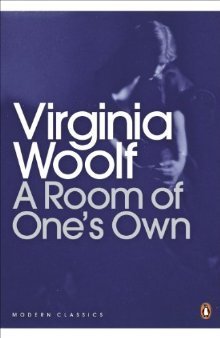
Virginia Woolf’s A Room of One’s Own (1929) remains a cornerstone of feminist literature, celebrated for its sharp wit and profound insights. With a stellar 4.22 rating from over 237,000 readers on Goodreads, this 112-page essay continues to inspire discussions about gender, creativity, and independence. Though written nearly a century ago, Woolf’s arguments about women’s need for financial freedom and personal space feel strikingly relevant in today’s world.
The Power of Space and Independence
Woolf’s central thesis—that a woman needs "money and a room of her own" to write fiction—unfolds through a blend of fictional narrative and persuasive essay. Readers consistently praise how Woolf uses hypothetical characters like Shakespeare’s imagined sister, Judith, to illustrate systemic barriers faced by women artists. Her elegant prose transforms abstract ideas into relatable stories, making complex societal critiques accessible even to younger audiences.
Many reviewers highlight Woolf’s groundbreaking approach to discussing inequality. Rather than dry analysis, she invites readers into her thought process, meandering through Oxbridge campuses and British libraries to expose how institutions historically excluded women. This narrative style keeps the text engaging while delivering razor-sharp commentary.
Why Modern Readers Still Connect
Contemporary audiences frequently note how A Room of One’s Own anticipates current conversations about intersectional feminism. Woolf acknowledges that her discussion centers on educated women of privilege, leaving room for today’s readers to expand the dialogue. The essay’s enduring appeal lies in its foundational questions: Who gets to create art? How does oppression silence voices? What conditions nurture genius?
Parents and educators appreciate Woolf’s work as a gateway to feminist theory. The brief length (just 112 pages) and Woolf’s use of humor—like her wry observation about men’s anger toward independent women—make it approachable for high school students while remaining rich enough for scholarly debate.
Minor Criticisms: A Product of Its Time?
Some modern reviewers wish Woolf had broadened her scope beyond middle-class white women, though most contextualize this as a limitation of her era rather than a flaw in her reasoning. Others note the essay’s circular structure can feel repetitive, though many argue this mirrors the cyclical nature of feminist struggles.
Final Verdict: Essential Reading
With its perfect balance of lyrical writing and revolutionary ideas, A Room of One’s Own earns its status as a classic. Woolf’s vision of women claiming space—literally and figuratively—continues to empower new generations. As one Goodreads reviewer succinctly put it: "This isn’t just about writing; it’s about living."
Who should read it? Aspiring writers, feminists, and anyone interested in how societal structures shape creativity. At under 120 pages, it’s a manageable yet transformative read.
Ready to claim your own literary space? Find the book on Amazon here.


No comments:
Post a Comment