Discovering Joy Through Ancient Wisdom
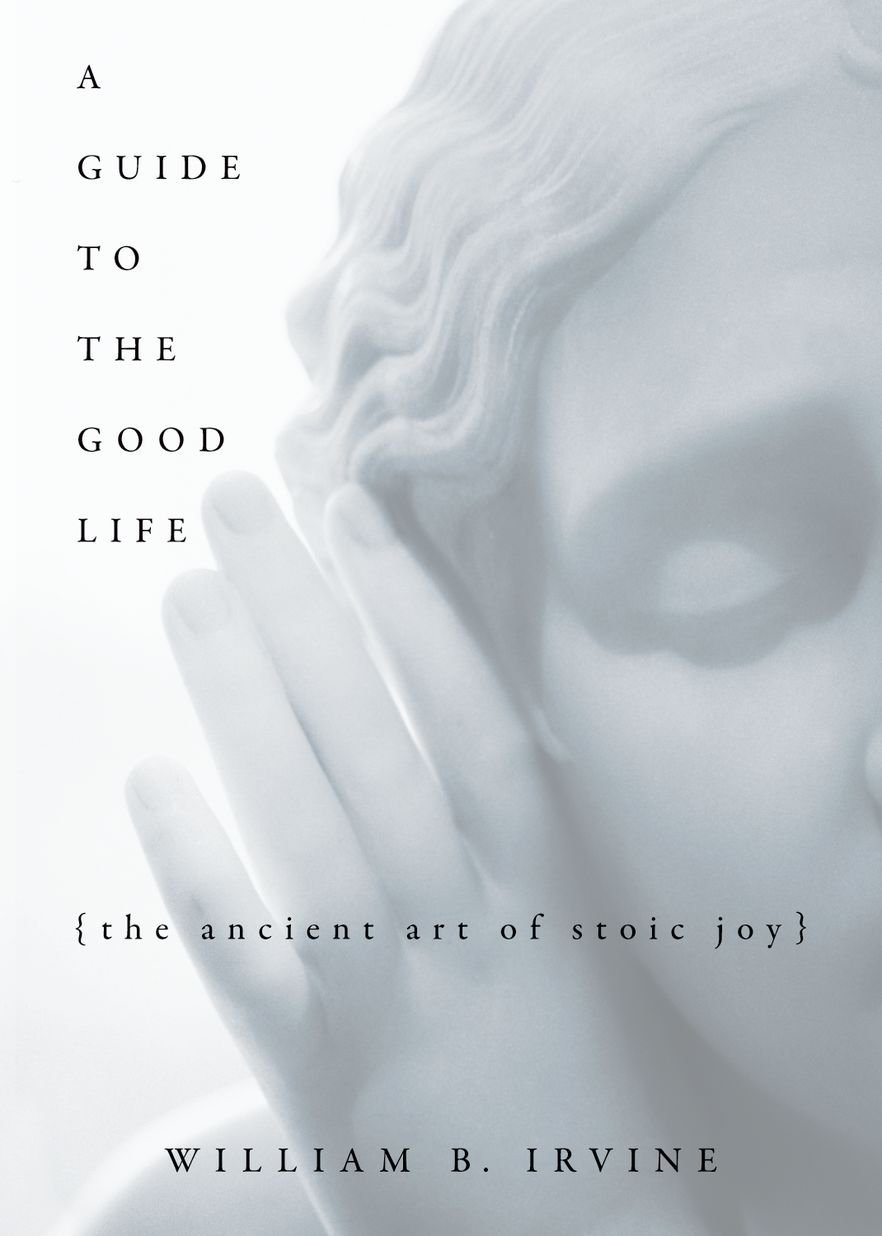
In a world overflowing with self-help books promising quick fixes to happiness, A Guide to the Good Life: The Ancient Art of Stoic Joy by William B. Irvine stands out as a refreshingly practical and profound guide. With an impressive 4.19 rating from over 26,000 readers on Goodreads, this book distills the timeless wisdom of Stoicism into actionable advice for modern living. Irvine, a philosophy professor, masterfully bridges the gap between ancient philosophy and contemporary challenges, making Stoic principles accessible to everyone.
Why This Book Resonates With Readers
Readers consistently praise Irvine’s ability to translate complex Stoic concepts into clear, relatable lessons. Unlike dense philosophical texts, this book avoids jargon and instead offers straightforward strategies for cultivating resilience, gratitude, and inner peace. Many reviewers highlight how the book’s emphasis on “negative visualization”—imagining the loss of what we value—helps them appreciate life more deeply. Others commend its practical exercises, such as voluntary discomfort, which builds mental toughness without overwhelming the reader.
Key Takeaways From the Book
1. The Power of Negative Visualization
Irvine introduces this Stoic technique as a tool to reduce anxiety and increase gratitude. By periodically reflecting on how life could be worse, we learn to cherish what we have rather than obsess over what we lack. Reviewers note how this simple practice has transformed their outlook, helping them find joy in everyday moments.
2. Embracing Voluntary Discomfort
Stoics believed that intentionally facing minor hardships—like skipping a meal or taking cold showers—strengthens our ability to handle life’s inevitable challenges. Irvine’s modern take on this idea resonates with readers seeking to build resilience in an age of comfort and convenience.
3. Focusing on What You Control
A core Stoic principle is distinguishing between what we can and cannot change. Irvine’s emphasis on letting go of external outcomes and focusing on personal virtue strikes a chord with readers tired of stress over uncontrollable events.
Who Should Read This Book?
Whether you’re a philosophy novice or a seasoned self-improvement enthusiast, A Guide to the Good Life offers valuable insights. Its 326 pages are packed with wisdom, but Irvine’s engaging style keeps the content digestible. Perfect for:
- Anyone feeling overwhelmed by modern life’s pressures
- Readers seeking practical (not preachy) advice
- Those curious about Stoicism but intimidated by ancient texts
Final Verdict: A Life-Changing Read
William B. Irvine’s book isn’t just about understanding Stoicism—it’s about living it. By blending historical context with modern applications, he creates a guide that’s both intellectually satisfying and immediately useful. As one reviewer put it, this is the kind of book you’ll revisit whenever life feels chaotic. If you’re ready to trade fleeting pleasures for lasting joy, A Guide to the Good Life is an excellent place to start.
Rating: ★★★★☆ (4.19/5) | Pages: 326 | Genre: Philosophy/Self-Help


No comments:
Post a Comment